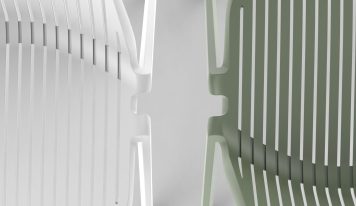
When furnishing a public space such as a bar or restaurant, every element must combine functionality, comfort and durability. Fabric seating is an interesting choice for those who want to create welcoming and refined environments, but it also involves some design considerations that should not be underestimated. Let’s analyse the pros and cons of using fabric-covered seating in contract settings.
Advantages of fabric seating: comfort and cosiness
The main strength of fabric-covered seating is the sensory quality it conveys. From a visual and tactile point of view, fabric introduces warmth, depth and softness, making the environment immediately more welcoming. This effect is particularly appreciated in contexts such as lounges, bistros, contemporary cafés or waiting areas, where the aim is to create a relaxed and informal atmosphere.
The Loria collection by Colos, also available in a fabric version, is a perfect example of how a seat can combine ergonomic comfort, elegance and durability. The upholstery uses Fidivi Time fabrics, available in four different colours (1010, 8004, 2005, 7036). The result is a high-quality product with excellent technical performance: the fabrics are fireproof, light-resistant and wear-resistant, ideal for furnishing bars and restaurants.


Disadvantages to consider: maintenance and intensive use
However, choosing fabric seats also requires some care. Compared to other materials such as polypropylene or metal, fabric is more exposed to the risk of stains, odour absorption and visible wear over time. In very crowded environments or where food and drinks are consumed informally, these issues can arise more easily.
For this reason, it is important to opt for technical fabrics such as those selected by Colos, which are designed for intensive use and are easy to sanitise. It is also advisable to consider using fabric only in certain areas of the premises, such as lounge areas or waiting areas, where wear and tear is less and the aesthetic effect of the fabric can really make a difference.


When and how to choose fabric-covered seating
The choice of fabric seating should always be considered in relation to the type of experience you want to offer, your target clientele and the layout of the space. In a gourmet restaurant, where the pace is more relaxed and the atmosphere is refined, fabric seating may be the most appropriate choice. In a busy bar or informal café, they may require more maintenance than expected.
Thanks to the versatility of the Loria collection, it is possible to combine fabric and polypropylene versions within the same project, achieving stylistic consistency but also functional differentiation. Loria chairs are available in stool or chair versions, with bases in different materials and types, from the classic four legs to the sled version and even with castors for the office, to meet different needs in various contexts of use.

Choosing fabric seating for a public space means opting for a warmer, more welcoming design that enhances the user experience, but like any design choice, it must be tailored to the context. With the right combination of technical materials and thoughtful design, fabric-upholstered seating can be a distinctive feature even in the most dynamic and complex projects.